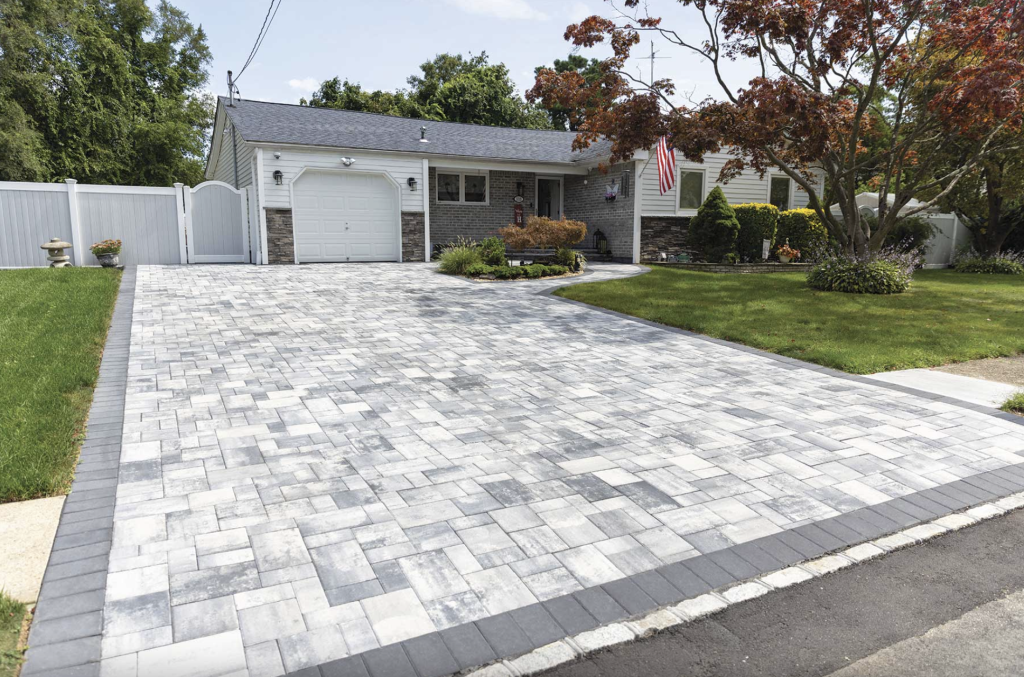
Most Maryland homeowners pay between $6 and $35+ per square foot for a new driveway, depending on the material. For a typical 600 square foot two-car driveway, that works out to roughly $3,600+ for asphalt, $7,200+ for concrete, or $15,000+ for pavers, including materials and labor.
If you’re planning a new driveway or replacing a failing one, the material you choose will have more impact on your total cost than almost any other decision you make. In this guide, we’ll break down driveway cost in Maryland, how the major materials compare, and what makes building a driveway here different, from freeze-thaw cycles to clay-heavy soil.
Average Driveway Cost in Maryland (Quick Answer)
| Material | Cost per sq ft | 600 sq ft driveway |
| Asphalt | $6 – $12+ | $3,600 – $7,200+ |
| Concrete | $12 – $20+ | $7,200 – $12,000+ |
| Pavers | $25 – $40+ | $15,000 – $24,000+ |
These ranges include installation. Material cost alone is only one piece of the total, and it’s often the smallest piece. Labor, excavation, and base preparation usually make up more of the bill than the surface material itself.
Cost by Material
Asphalt Driveways
Asphalt is the most common driveway material in Maryland and typically the least expensive upfront. A new asphalt driveway starts around $6 per square foot installed and can run $12 or more per square foot depending on excavation, base depth, and site conditions. Removing an existing driveway before installing adds another $3 to $4 per square foot.
Asphalt holds up reasonably well to Maryland winters, but it needs resealing every three to five years to prevent water infiltration and cracking. Skipping that maintenance is the most common reason asphalt driveways fail early here. A well-installed and maintained asphalt driveway lasts 15 to 20 years.
Concrete Driveways
Concrete starts around $12 to $13 per square foot installed for a standard finish, with stamped or colored concrete pushing higher, often $18 to $20+ per square foot. Concrete lasts longer than asphalt, often 20 to 40 years, but it’s also more prone to cracking in Maryland’s freeze-thaw cycles if the base isn’t properly compacted and the slab isn’t given adequate control joints.
Paver Driveways
Paver driveways in Maryland start around $25 per square foot and can run $35 to $40+ depending on material choice and design complexity. This is the highest upfront cost of the common options, and it’s also the most durable and the most repairable. If a section settles or stains, you replace those individual pavers rather than tearing out and repouring an entire slab.
Paver driveways also handle Maryland’s clay-heavy soil and freeze-thaw cycles better than concrete over time, because the base underneath does the structural work rather than relying on one rigid slab. When we get called out to fix a sinking or cracking driveway, it’s almost always concrete or asphalt that was installed without enough base depth or compaction for our soil and climate.
Cost by Driveway Size
| Driveway Type | Typical Size | Asphalt | Concrete | Pavers |
| 1-car | 200 – 400 sq ft | $1,200 – $4,800 | $2,400 – $8,000 | $5,000 – $16,000 |
| 2-car | 500 – 800 sq ft | $3,000 – $9,600 | $6,000 – $16,000 | $12,500 – $32,000 |
| 3-car | 800 – 1,200 sq ft | $4,800 – $14,400 | $9,600 – $24,000 | $20,000 – $48,000 |
| Long rural driveway | 1,500+ sq ft | $9,000+ | $18,000+ | $37,500+ |
Long rural driveways common in parts of Carroll, Harford, and Frederick counties often favor asphalt purely on a cost-per-foot basis, since the larger the surface area, the more the material cost dominates the total.
Factors That Affect Cost
A few things move the price beyond the base material:
Excavation and grading.
Sloped lots, which are common throughout Montgomery and Baltimore counties, require more excavation and sometimes retaining structures to manage water runoff.
Removal of an existing driveway.
Tearing out old asphalt or concrete typically adds $3 to $4 per square foot before any new material goes down.
Drainage.
Maryland gets over 40 inches of rain a year. A driveway without proper grading or a drainage plan will pool water, and pooling water is what accelerates freeze-thaw cracking in winter.
Shape and design.
Curved, circular, or custom-edged driveways cost more than a straight rectangular layout because of the additional cutting and labor involved.
Base depth.
This is the one most homeowners don’t think about, and it’s the one that determines whether a driveway lasts 5 years or 25. A proper compacted gravel base, typically 6 to 10 inches depending on the surface material, is what actually holds up against Maryland’s freeze-thaw cycles. Skimping here is the most common shortcut we see when we get called in to fix a failing driveway.
Maryland-Specific Considerations
Maryland’s climate and soil create a few challenges that don’t show up in cost guides written for the rest of the country.
Freeze-thaw cycles.
Water that gets underneath a driveway and freezes expands, and that expansion is what cracks concrete and heaves asphalt over time. A properly built base with adequate drainage prevents most of this.
Clay-heavy soil.
Much of central Maryland, including Baltimore County, Harford County, Howard County and Carroll County, sits on clay soil that holds water and shifts more than sandy or well-drained soil. This makes proper excavation and base compaction critical, since clay that isn’t given adequate drainage will expand and contract with seasonal moisture changes, putting extra stress on whatever sits on top of it.
Permits.
While there are some exceptions, most Maryland counties do not require a permit to replace an existing driveway. However, permits are often required for new driveway construction or any work that affects stormwater runoff. Permit fees and requirements vary by county, so this is worth confirming before a project starts rather than after.
Is a Paver Driveway Worth It?
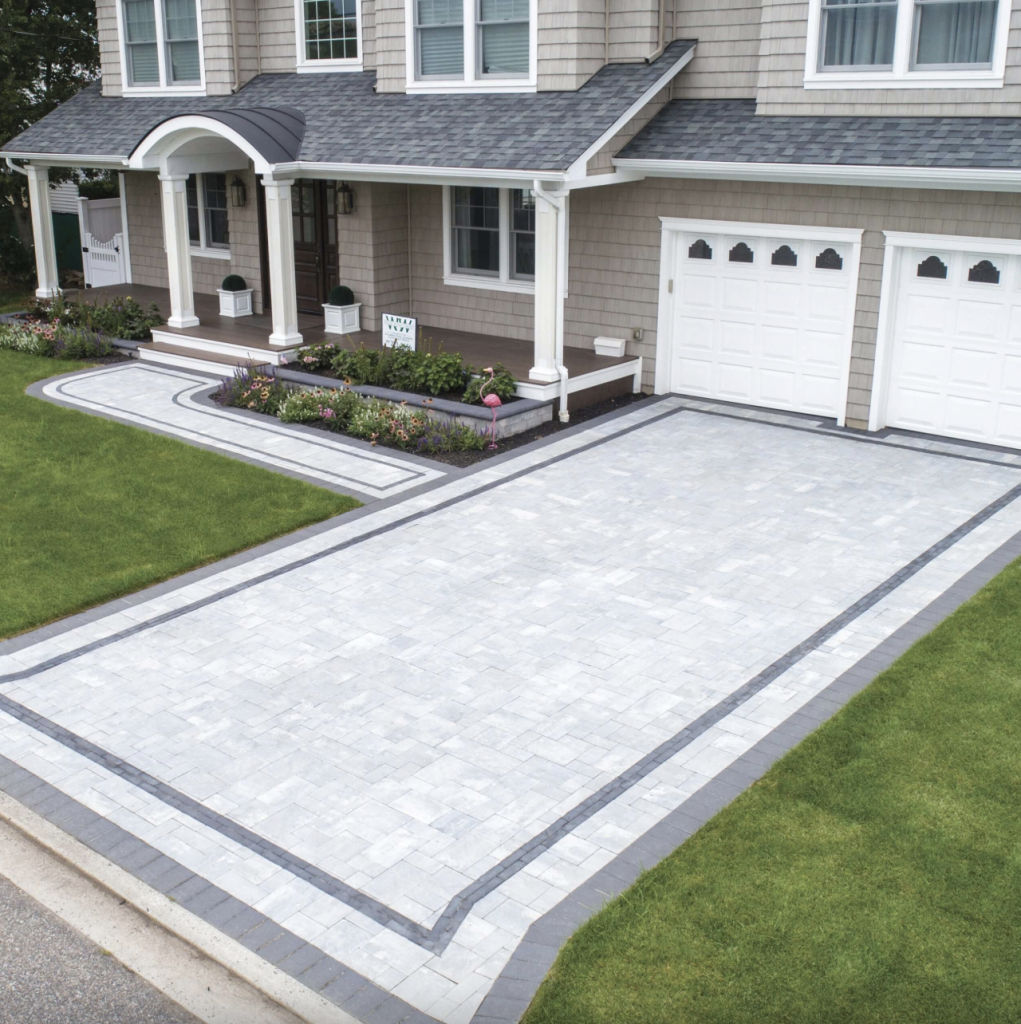
If you’re only looking at the upfront number, pavers are the most expensive option. But the math changes when you factor in lifespan and repair cost. A concrete or asphalt driveway that fails in 10 to 15 years and needs full replacement often ends up costing close to what pavers would have cost from the start, without accounting for the disruption of a full tear-out and repour.
Pavers also hold their value better at resale and give you design flexibility, including pairing the driveway with a matching walkway or patio, that asphalt and concrete don’t offer. Also, the positive impact on home value from a paver driveway helps to offset the additional upfront cost.
For homeowners planning to stay in their home long-term, or who’ve already had to deal with a cracked or sinking driveway once, pavers are usually the better investment. For homeowners on a tighter budget or planning to sell in the next few years, asphalt or concrete is a reasonable choice as long as it’s installed with proper base depth.
FAQs
How long does a driveway installation take in Maryland?
A standard 2-car driveway typically takes 1 to 5 days depending on material, size, and whether an existing driveway needs to be removed first.
Do I need a permit for a new driveway in Maryland?
Most counties do not require a permit to replace an existing driveway. However, new construction driveways often trigger permit requirements, especially if the project affects stormwater drainage or expands an existing impervious surface. Requirements vary by county.
Can I install pavers over an existing concrete driveway?
No. Pavers need a proper excavated and compacted base underneath them. The existing concrete would need to be removed first.
What’s the cheapest driveway material in Maryland?
Asphalt is typically the most affordable option, starting around $6 per square foot installed.
How often does an asphalt driveway need to be resealed?
Every 3 to 5 years to prevent water infiltration and extend the lifespan of the surface.
Get a Free Driveway Quote
Whether you’re considering asphalt, concrete, or pavers, we’ll give you a clear, upfront quote based on your property’s specific soil, slope, and drainage needs. Contact Maryland Pavers today for a free quote.
Leave a Reply